

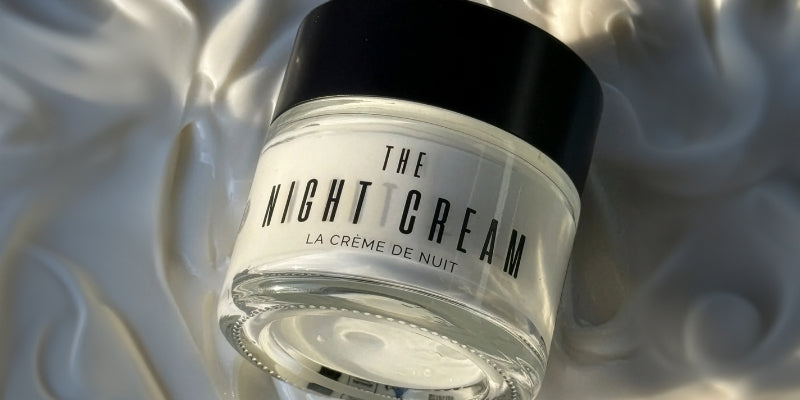
This Professional FAQ is designed as a practical reference for therapists, clinics, and salons using or retailing The Night Cream.
It focuses on timing, treatment compatibility, sensitivities, and routine pairing — not marketing claims. Use it to answer client questions clearly and confidently, both in consultation and post-treatment.
For positioning, client types, and ingredient explanations, see
The Night Cream Professional Overview.
When Can Clients Start Using The Night Cream?
In general: The Night Cream is designed for regular evening use as part of a homecare routine.
- Standard skincare routines: Can be used immediately.
- Post-facial treatments: Can usually be introduced once any initial redness or heat has settled.
- After advanced treatments: Always follow your professional judgement and treatment-specific protocols.
If in doubt, delay use for 24–48 hours and reintroduce once the skin has stabilised.
Can The Night Cream Be Used After a Facial?
Yes - in most cases, The Night Cream works well as a post-facial homecare product because it supports:
- Overnight hydration
- Barrier recovery
- Skin comfort
Professional tip:
If the treatment involved active exfoliation or heat, recommend starting the night cream the following evening rather than the same night.
Is The Night Cream Suitable for Sensitive Skin?
The Night Cream has been formulated to support the skin barrier while delivering firming benefits, making it suitable for many clients with sensitivity concerns.
However, always:
- Assess individual skin history
- Consider current treatments and actives
- Recommend a patch test where appropriate
For clients with highly reactive skin, introduce gradually and monitor tolerance.
Can It Be Used Alongside Active Ingredients?
The Night Cream is designed to sit comfortably within a routine, but timing matters.
- With exfoliating acids: Use on alternate nights if skin is easily sensitised.
- With retinoids: Consider separating use to avoid overloading the skin.
- With hydrating serums: Layer underneath as usual.
Professional positioning:
Night care should support repair - not overwhelm it.
How Does It Pair with Day Creams?
The Night Cream is not designed to replace a day cream.
Routine pairing:
- AM: Cleanse → Day cream (protection + hydration)
- PM: Cleanse → Targeted night cream (repair + firming)
This separation helps clients understand why both products are needed and improves routine compliance.
For a full routine framework, see
Night Care vs Day Care: Building Results-Driven Homecare Plans.
Can Clients Use It Around the Eye Area?
The Night Cream is designed for the face and neck.
- Avoid direct contact with the eye contour unless otherwise advised.
- If clients are using a dedicated eye product, apply it first.
For targeted eye concerns, recommend a specific eye formulation.
How Much Should Clients Use?
More product does not equal better results.
- Use a small, even amount for face and neck.
- Apply as the final step in the evening routine.
Professional tip:
Over-application can lead to surface heaviness without improving outcomes.
How Long Before Clients See Results?
Results develop in stages.
- Short term: Improved hydration, comfort, smoother texture
- With consistent use: Firmer-looking skin, improved elasticity, more refined appearance
Set expectations clearly - this is a long-term support product, not an instant fix.
When Should You Not Recommend The Night Cream?
Avoid or delay recommendation when:
- The skin barrier is compromised
- The client is experiencing active irritation or inflammation
- Immediately following aggressive resurfacing treatments
Professional judgement should always take priority.
Quick Reference (Staff Use)
- The Night Cream Professional Overview
- The Night Cream Consultation Scripts
- Shop The Night Cream (Professional)
Professional takeaway:
Clear guidance around timing, routine pairing, and expectations builds trust — and trust leads to confident recommendations and repeat retail.


